
Innovative Plastic Concrete Formworks for Modern Construction Needs
Discover how our specialized plastic concrete formworks enhance construction efficiency for apartments, factories, and villas. As a leading manufacturer in China, we focus on quality and innovation to meet the demands of the construction industry. Explore our products and learn more about our commitment to excellence.
5/8/20242 min read
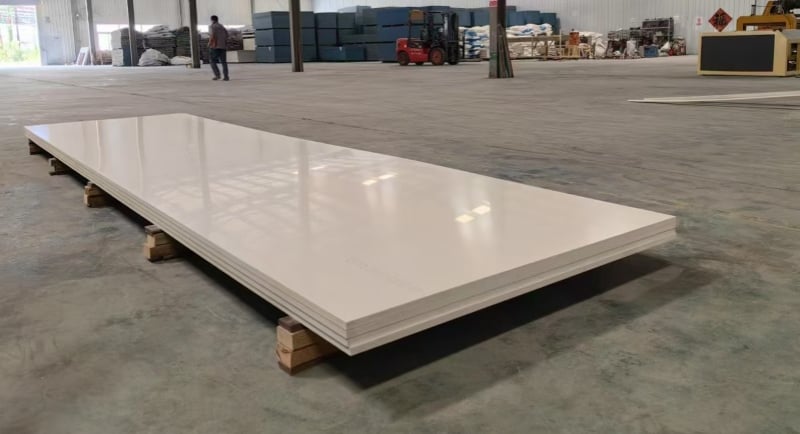
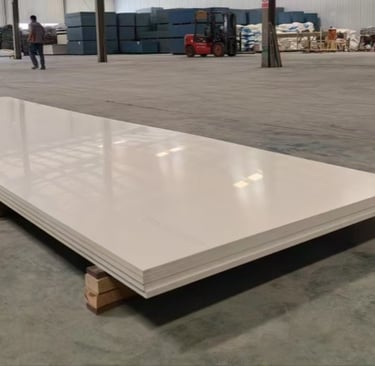
Plastic Formwork
In the fast-paced world of modern construction, efficiency, sustainability, and cost-effectiveness are no longer optional—they are essential. Traditional concrete formworks, such as timber or steel, have long dominated the industry but come with significant drawbacks: timber warps and rots easily, requiring frequent replacement, while steel is heavy, prone to corrosion, and expensive to transport. Enter plastic concrete formworks—a game-changing innovation that addresses these pain points and aligns with the demands of contemporary building projects.
One of the most compelling advantages of plastic formworks is their exceptional durability. Made from high-density polyethylene (HDPE) or polypropylene, these formworks resist water, chemicals, and UV radiation. Unlike timber, they do not absorb moisture, which eliminates issues like mold growth or structural weakening. Studies show that quality plastic formworks can be reused up to 50 times, compared to just 5-10 uses for timber. This reusability drastically reduces material waste, cutting down on both procurement costs and the environmental impact of constant replacements.
Cost efficiency is another key benefit. While the initial investment in plastic formworks may be slightly higher than timber, their long lifespan and low maintenance needs translate to significant savings over time. They require no painting, sealing, or repair between uses—simply clean them with water, and they are ready for the next project. Additionally, plastic is lightweight: a standard 1.2m x 2.4m plastic formwork panel weighs around 15kg, far less than a steel panel of the same size (which can weigh over 40kg). This lightness reduces labor costs, as fewer workers are needed to handle and install the formworks, and lowers transportation expenses by allowing more panels to be shipped in a single load.
Sustainability is a critical factor in modern construction, and plastic formworks excel here too. Many are made from recycled plastic, diverting waste from landfills and reducing reliance on virgin materials. Even at the end of their service life, they can be recycled again, creating a closed-loop system. In contrast, timber formworks often end up as construction waste, contributing to deforestation when new timber is sourced. Plastic formworks also support energy efficiency: their smooth surface ensures better concrete finish, reducing the need for post-construction grinding or painting—processes that consume energy and release volatile organic compounds (VOCs).
Versatility further makes plastic formworks a top choice for modern construction. They can be easily molded into various shapes and sizes, adapting to complex architectural designs like curved walls, columns, or unconventional floor plans. Unlike steel formworks, which require specialized tools to cut or modify, plastic formworks can be adjusted on-site with basic equipment, saving time and reducing project delays. They also perform well in diverse weather conditions: resistant to extreme temperatures, they do not crack in cold weather or warp in hot climates, ensuring consistent performance across different construction sites.
In conclusion, plastic concrete formworks are a revolutionary solution that meets the evolving needs of modern construction. Their durability, cost efficiency, sustainability, and versatility address the limitations of traditional formworks, making them an ideal choice for builders and contractors aiming to deliver high-quality projects on time and within budget. As the construction industry continues to prioritize innovation and environmental responsibility, plastic formworks are set to become a standard—driving efficiency, reducing waste, and shaping the future of building.