
adjustable plastic column formwork how to work?
Adjustable plastic column formwork is a versatile construction tool for casting concrete columns, designed to adapt to different diameters and ensure structural precision.
1/1/20261 min read
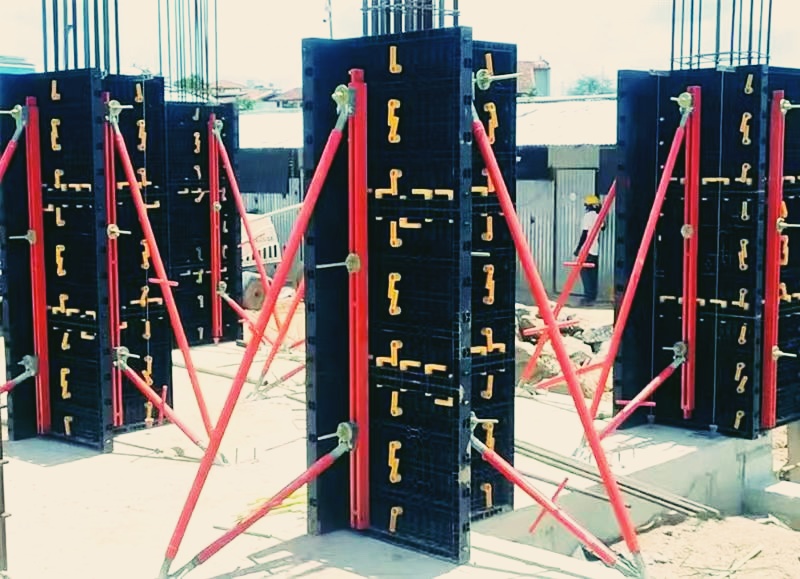
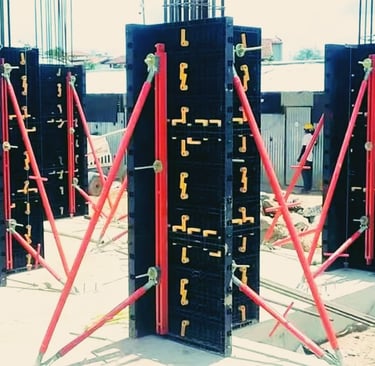
Adjustable plastic column formwork is a versatile construction tool for casting concrete columns, designed to adapt to different diameters and ensure structural precision. Here’s its working principle and operation process:
Key Components
It consists of plastic panels (high-density polyethylene for durability), adjustable buckles, support brackets, and locking pins. The panels feature interlocking edges, while buckles enable diameter adjustment (typically 200-600mm).
Working Process
Preparation: Measure the column’s required diameter and mark the base position. Clean the work area to ensure a flat, level surface.
Panel Assembly: Connect plastic panels using interlocking edges. Align the panels to form a cylindrical shape, matching the marked diameter.
Adjustment: Use the built-in buckles to fine-tune the diameter. Tighten or loosen the buckles until the inner circumference matches the column’s design size; locking pins secure the adjustment.
Support Installation: Attach support brackets to the formwork’s exterior, ensuring vertical alignment with spirit levels. Fix brackets to the ground or surrounding structures for stability.
Concrete Pouring: Pour concrete into the formwork in layers (200-600mm each), using a vibrator to eliminate air bubbles.
Curing & Dismantling: Allow concrete to cure (7-14 days). Loosen buckles and remove panels sequentially, ensuring no damage to the finished column.
Core Advantage
The adjustable design eliminates the need for custom-cut formwork, reducing waste and speeding up construction. Plastic’s smooth surface ensures a high-finish concrete column, while reusability lowers costs.
Adjustable Formwork Usage Video
